
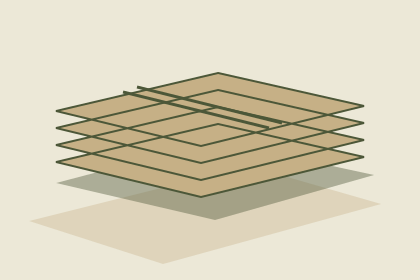
You ordered printed corrugated mailers for a launch, but the product will arrive three weeks later. Where should the flat boxes wait, and what should you check before the team starts packing?
Keep flat boxes indoors, level and off the floor, away from leaks and condensation. Open one working bundle at a time. Before a large packing run, fold and load boxes from the stock you actually plan to use. A bundle that looks fine from above can still contain warped blanks or crushed corners.
Set up the storage spot before delivery
- Choose a dry, stable location. Keep stock away from loading doors, overhead pipes and damp walls. In a space that regularly feels humid, put a hygrometer near the boxes and log readings at opening and closing for a few days. A reading from the office does not tell you what is happening at the loading dock.
- Support the full footprint. Use a level pallet or shelf; do not leave edges hanging over. Keep bundles flat and in their original protective wrapping while they are dry and waiting to be used. Do not put heavy goods on top or tighten a strap against bare board.
- Label and rotate. Mark each bundle with the box style, artwork revision and arrival date. Use the oldest approved stock first. Keep different print revisions separate, even when the boxes have the same dimensions.
The PMMI and Fibre Box Association storage guideline gives 30% to 70% relative humidity as a general guideline for corrugated packaging. It is not a guarantee for every board or finish. Follow any tighter supplier specification and investigate damp stock or condensation even when the room reading looks reasonable.
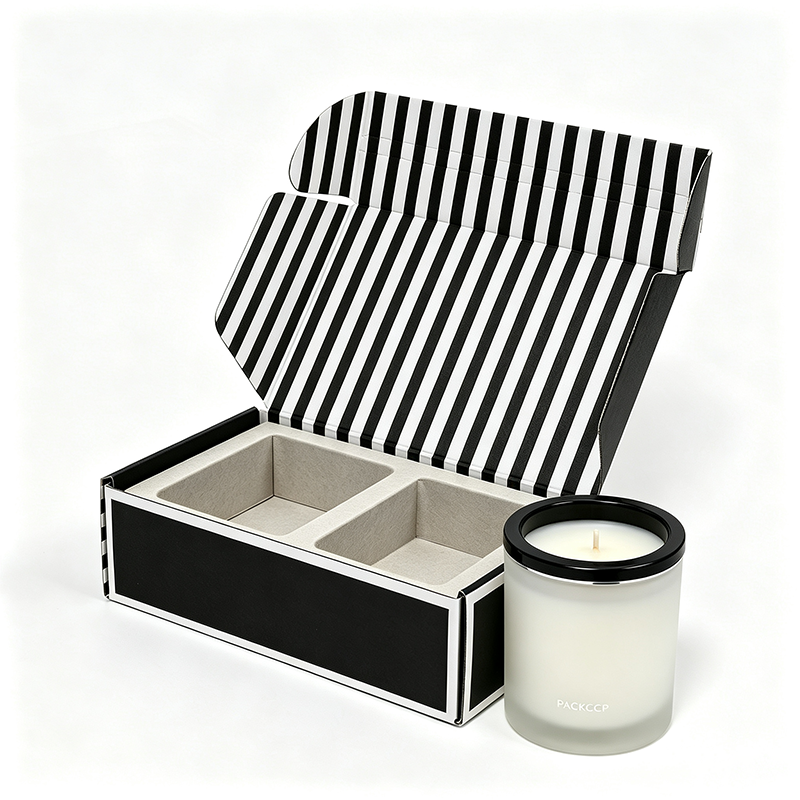
Decide whether to use the stock, check more, or hold it
- Use:
- The blanks lie reasonably flat, the folds open cleanly, and the loaded box closes normally. Carry on with the approved packing method.
- Check more:
- A dry bundle has a slight curl or the first box is harder to close than your approved sample. Inspect a few blanks from different parts of the bundle and trial-pack the actual product. Do not change the box specification based on one blank.
- Hold:
- You find damp patches, layers separating, crushed flutes, or tabs that no longer lock. Separate affected bundles, mark the batch and photograph both the damage and the label. Ask the supplier to review before you release the stock. Letting visibly damaged board dry does not prove it can protect a shipment.
A three-bundle example for a small brand
Suppose 300 mailers arrive in three bundles of 100, and you need 80 for launch week. Keep the other two bundles protected, and record which bundle you open. Before packing the first 80, pull blanks from different positions in that opened bundle. Build them, load the real product and insert, and check whether the corners sit square, the lid closes without extra force and the print is presentable. If two boxes show the same damaged corner, stop and check the rest of that bundle rather than hiding the defect with tape. This is a practical initial screen, not a formal sampling plan or a shipping test.
Before ordering: tell your supplier how long you plan to store the boxes, whether boxes and inserts will be packed separately, and who will assemble them. Ask for bundle quantity and storage instructions in the same quote so you can make space before the cartons arrive.
JollyFold makes custom paper packaging, including corrugated mailers, for small- and medium-batch orders. See our mailer box range, visit JollyFold, or email hello@jollyfold.com with your size, quantity and packing setup.